DIY Roller Blinds vs Having Them Done For You: What Most People Don’t Consider

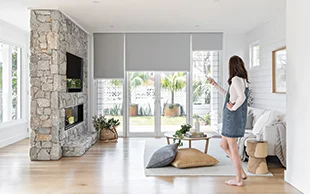
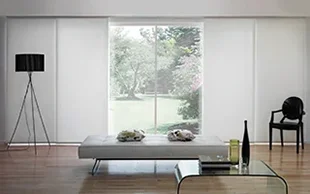
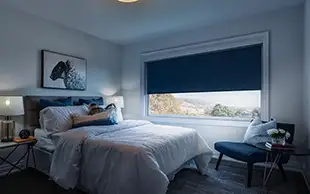
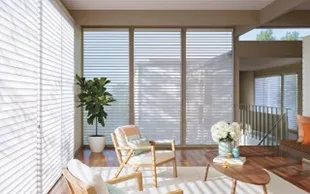
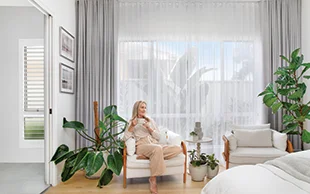
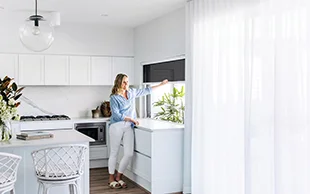
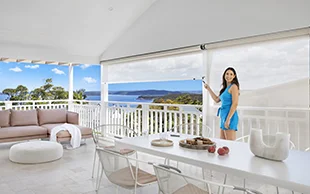
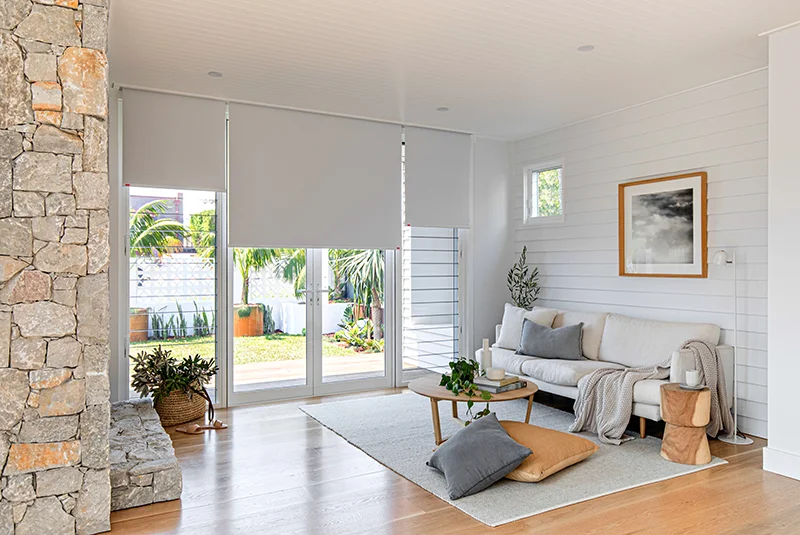
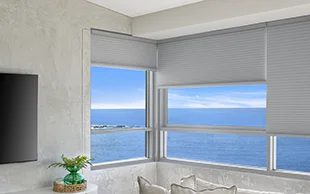
Beautiful Roller Blinds in the Lounge Room

Measuring your own roller blinds sounds straightforward. You find a blind you like online, there’s a measuring guide on the website, the diagram looks simple enough. Width, height, done.

And sometimes it is that simple. But there are things the measuring guide doesn’t cover, and they’re the things that tend to go wrong. This article is about those.

The reveal vs face fit decision and why most websites only tell you half the story

If you’ve looked at any DIY blind website, you’ve seen the diagram. Reveal fit goes inside the window recess. Face fit goes on the wall outside it. The diagram shows you the difference. What it almost never tells you is why you’d choose one over the other, and that’s where the decision actually lives.

Reveal fit gives a clean, built-in look. The blind sits within the frame and barely interrupts the window when it’s raised. It’s the right choice when the recess is deep enough to accommodate the bracket and the rolled-up fabric, and when the look you’re after is neat and minimal.

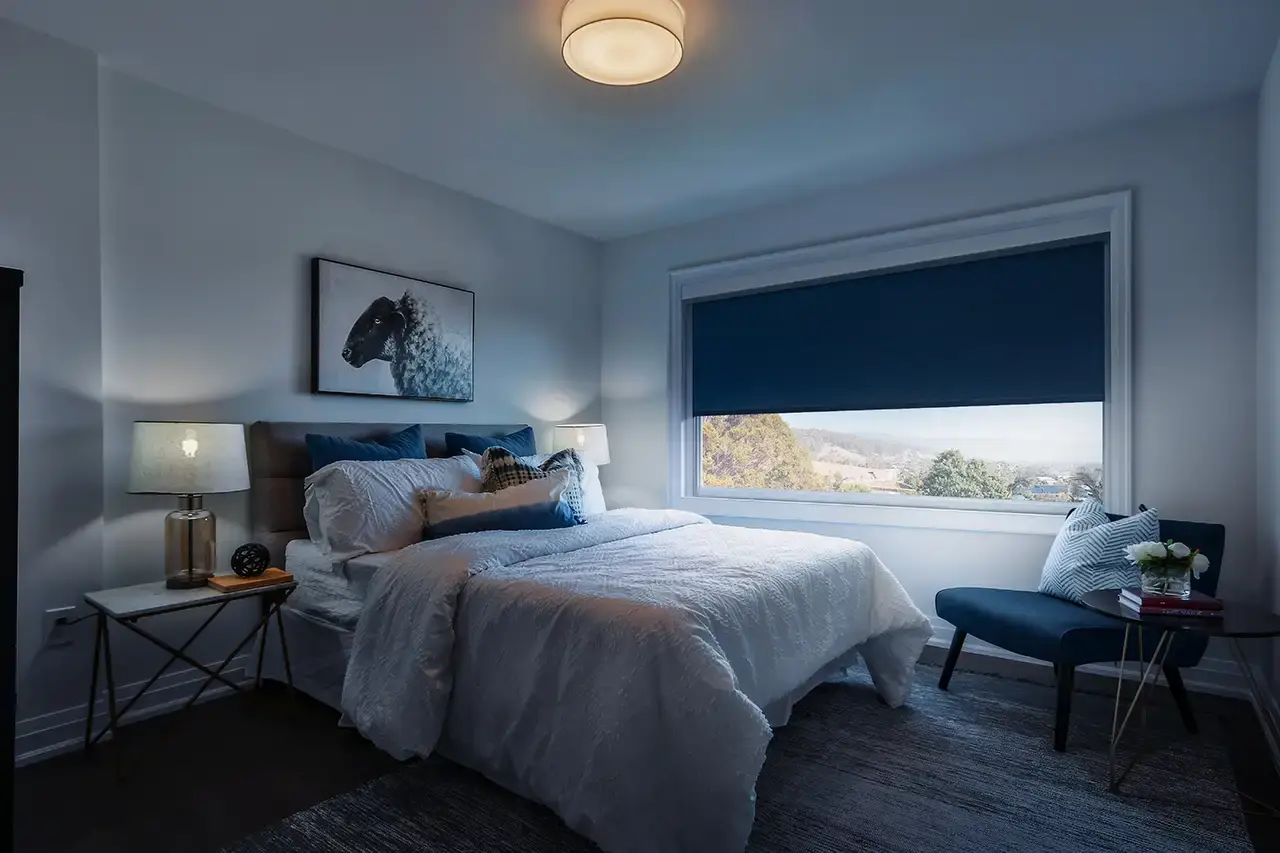
But reveal fit has a limitation: it always leaves side light gaps. The blind is narrower than the opening by definition, and light will creep in around the edges. For a living room translucent blind, that’s probably fine. For a bedroom blockout blind where you’re trying to sleep in on a Sunday morning, it’s not.

Face fit, mounted on the wall above and outside the window, covers a larger area and significantly reduces those side gaps. It also gives you more flexibility when the reveal is too shallow, or when something is in the way: a window handle that sticks out, a mullion between panes, tiles that run up to the frame, or a bulkhead above the window that limits where a bracket can go.

The diagram shows you what each option looks like. It doesn’t tell you which one is right for your window, your fabric, and your goal. That’s a judgement call that depends on the specific situation, and it’s exactly what a Wynstan consultant works through in person.

The most common measuring mistakes

Wynstan’s product expert Kathy Wang has seen a lot of DIY measuring jobs. The mistakes aren’t usually dramatic, they’re small, easy-to-make errors that have big consequences when you’re ordering a custom-made product cut to the millimetre.

Mixing up units. Measuring in centimetres when the order form requires millimetres, or vice versa, is more common than you’d think. A blind ordered at 120cm when you meant 1200mm is a very different blind.

Swapping width and height. Also more common than it sounds, particularly when measuring multiple windows in one go. Width is always listed first.

Adding or dropping 100mm. A small arithmetic slip, particularly when calculating deductions for a reveal fit, results in a blind that either won’t fit in the recess or sits with a visible gap on one side.

Not accounting for what’s in the way. A sliding door handle that the lowered blind will hit. A mullion between two panes that changes where the bracket can go. A bulkhead above a door opening that limits the drop. Skirting boards or tiles at the bottom that the blind reaches before it reaches the floor. These obstacles are easy to miss when you’re measuring quickly, and over-door situations are particularly prone to them.

Not knowing what you’re fixing into. Timber, brick, and plasterboard all require different fixing approaches. Plasterboard in particular limits where screws can safely anchor, the fixing needs to land in a solid point, which affects where the bracket goes and therefore how the blind is measured. If you don’t know what’s behind your wall, you’re guessing.

Measuring the window, not the opening. These are not always the same thing. A window frame can bow, a reveal can slope, a floor can be uneven. Any of these will affect the drop measurement in ways a simple tape measure won’t reveal.

Custom-made blinds are cut to the measurements provided. If the measurements are wrong, the blind is wrong. It can’t be adjusted, and it generally can’t be returned. The customer is back to square one, and paying again.
Where it gets complicated: complex windows

Most windows are straightforward. Some aren’t.

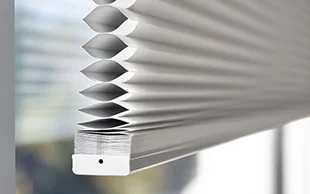
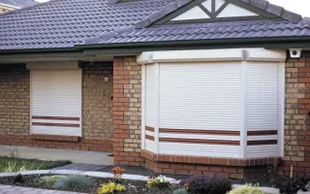
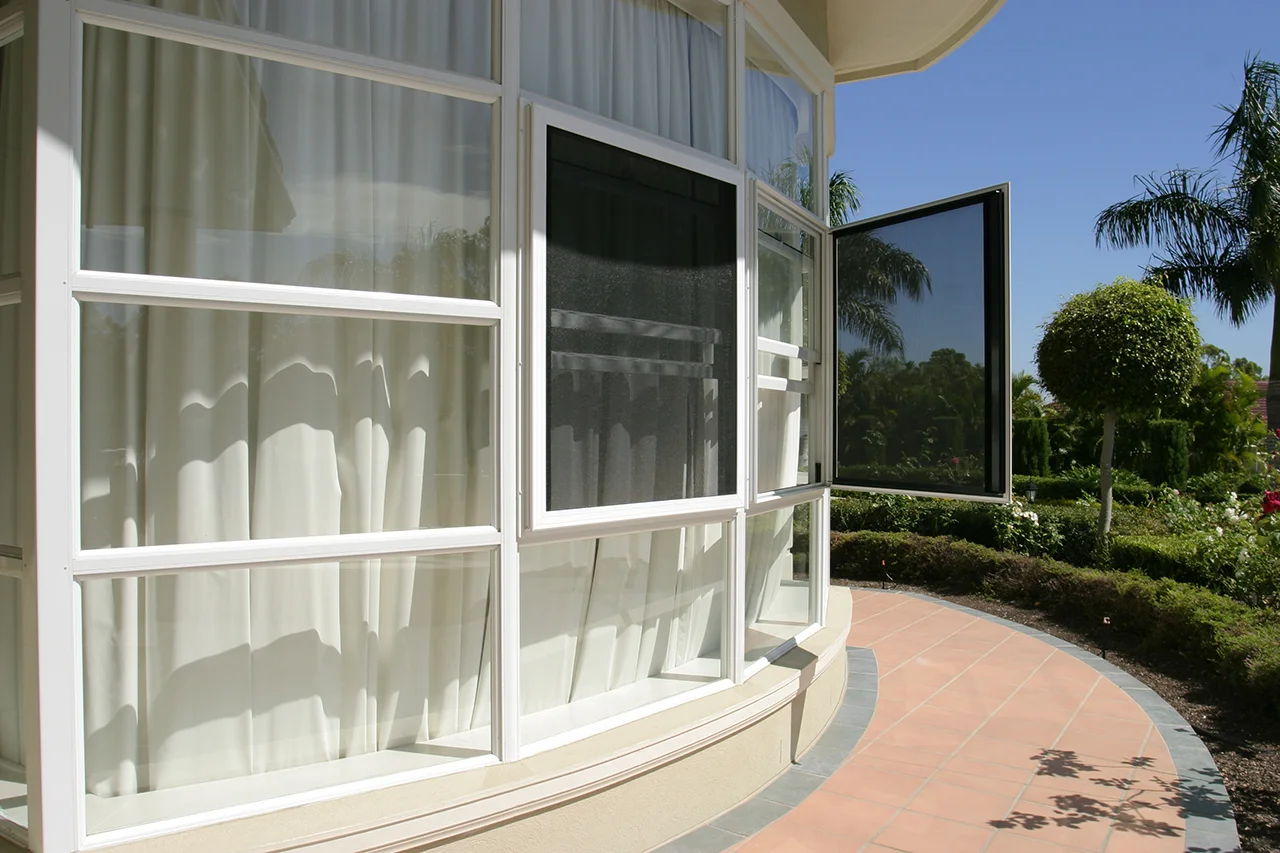
Bay windows are one of the trickier situations for roller blinds. Fitting a blind across a bay creates a corner gap, the point where two windows meet at an angle. Close that gap and the blind sits further out from the glass, increasing light bleed down the sides. Leave it open and you’ve got a gap that defeats the purpose. For a living room bay this might be a reasonable trade-off. For a bedroom where darkness matters, a roller blind is often the wrong product entirely, a plantation shutter, a honeycomb shade, or a curtain on a bent track will all perform better in a bay window situation.

Stairwells and high windows present a different problem: getting an accurate measurement when the window is 3 or 4 metres up is genuinely difficult, and an error on a large drop is a significant expense. Motorisation is the right answer for day-to-day operation, but professional measurement is essential before anything gets ordered.

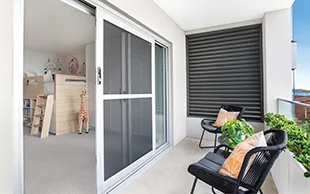
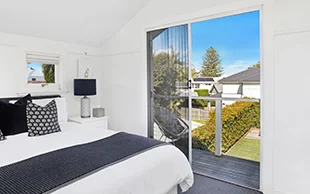
Sliding doors have their own set of complications, tracks, thresholds, and handles all affect what can be fitted and how. A sliding door handle at the wrong height can mean the blind can’t lower fully. A track at the bottom changes what bracket options are available. These aren’t standard window situations and they catch DIYers out more often than any other opening.

What the Wynstan free measure and quote actually covers

A Wynstan consultant doesn’t just measure, they assess the whole situation. What surface are the brackets fixing into? Is the reveal deep enough for an inside mount? Is there anything in the way that will affect the fit or the operation? Is reveal fit or face fit the right call for what this customer is actually trying to achieve?

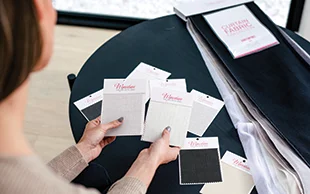
They’ll show you fabric samples in the room, in the actual light conditions, before anything is ordered. They’ll flag anything that could cause a problem. And they’ll give you a quote on the spot, no obligation, no guesswork.

Professional installation is included. The same team that measures comes back and fits the blinds when they’re ready. You don’t need to source fixings for an unfamiliar wall surface, work out how to use a drill in plasterboard, or figure out why the bracket isn’t sitting flush.

The free measure and quote exists because custom blinds are only as good as the measurements behind them. Getting those measurements right is what Wynstan does every day, and it costs the customer nothing to let them do it.

Book your FREE Consultation Today!

    By providing and submitting your details, you agree to Wynstan's Privacy Policy.

    This article was written by Shae Rankine, Marketing Coordinator at Wynstan. Shae works closely with product expert Kathy Wang to make sure every piece of content is accurate, practical, and genuinely useful.

    Share:

    Free Consultation Enquiry

      By providing and submitting your details, you agree to Wynstan’s Privacy Policy.

      Fabric Samples

      Search fabric sample

      1. Explore

      Browse over 400 fabric sample options for roller binds, panel glides, roman blinds and curtains too.

      fabric samples floating

      2. Shop

      Add five FREE samples to your cart and we’ll ship them straight to your door! You can even add more for a small fee.

      fabric samples floating icons

      3. Book

      Love your choices? Book in a FREE measure and quote to take the next step to transforming your home.

      Fabric Samples

      Magnifying Glass

      1. Explore

      Browse over 400 fabric sample options for roller binds, panel glides, roman blinds and curtains too.

      Fabric

      2. Shop

      Add ten FREE samples to your cart and we’ll ship them straight to your door! You can even add more for a small fee.

      Calendar

      3. Book

      Love your choices? Book in a FREE measure and quote to take the next step to transforming your home.