

Plantation Shutters for Shaped Windows, Skylights and Tricky Openings

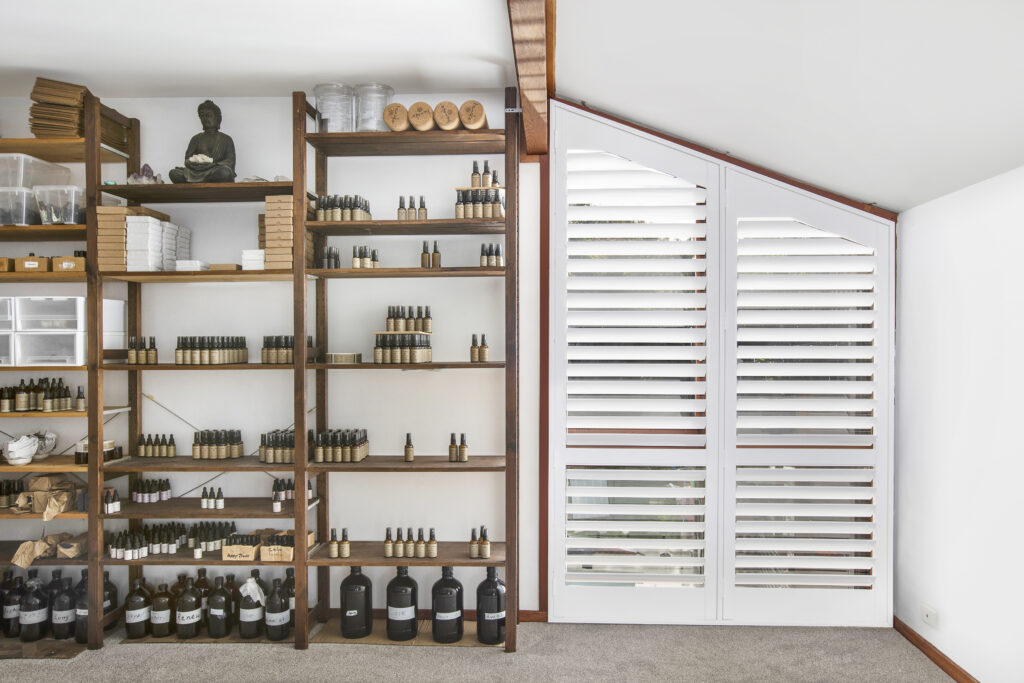
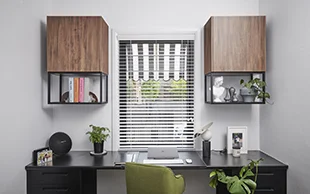
Plantation Shutters in workspace

If you’ve got a shaped or non-standard window and you’ve been putting it off, there’s a good chance someone has already told you shutters won’t work. Or you’ve assumed the window is too unusual to cover properly, and moved on to thinking about curtains or a blind instead.

Here’s the thing: plantation shutters are actually one of the strongest products for non-standard openings. Every shutter is custom-made from scratch, there’s no standard sizing to work around, no off-the-shelf panel that has to be forced to fit. If the opening has a shape, the shutter is made to that shape. It’s that straightforward.

Here’s how it works across the most common tricky situations.

Arched windows

Arched windows are the most common shaped window in Australian homes, particularly in period properties, federation homes, and newer builds that incorporate arch details for character. They’re also the window most people assume will be difficult or impossible to shutter properly.

A plantation shutter on an arched window is configured in two sections. The top section follows the curve of the arch exactly, the frame is shaped to match, and the blades within it are typically fixed. The lower rectangular section operates normally: the blades tilt, the panels open and close, light and privacy are fully controlled.

The result is a shutter that preserves the arch as a design feature while still doing the practical job. The fixed top section doesn’t compromise the look, if anything, it frames the arch more cleanly than any soft furnishing would.

Where operation isn’t needed at all, a decorative arch high on a wall, or a window that’s never opened, a fully fixed panel is also an option. Your consultant will work through which configuration suits the opening at the free measure and quote.

Triangular and angled windows

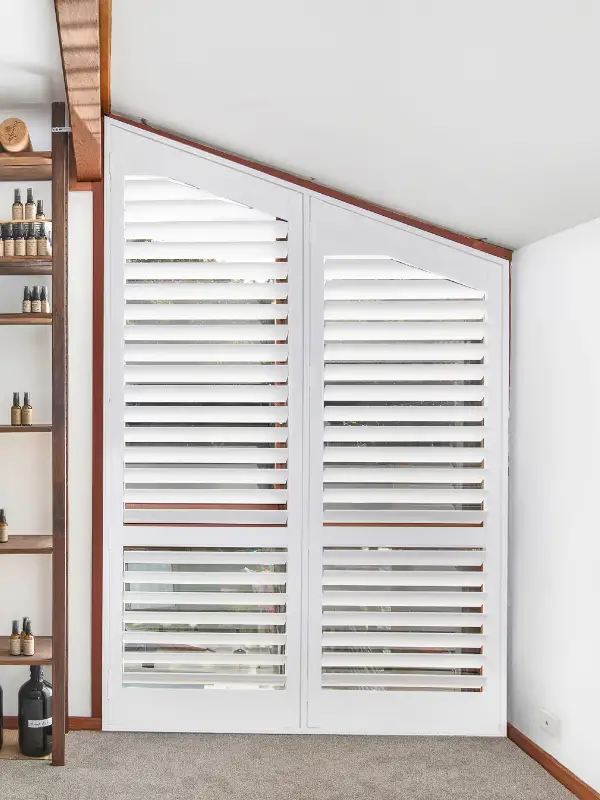
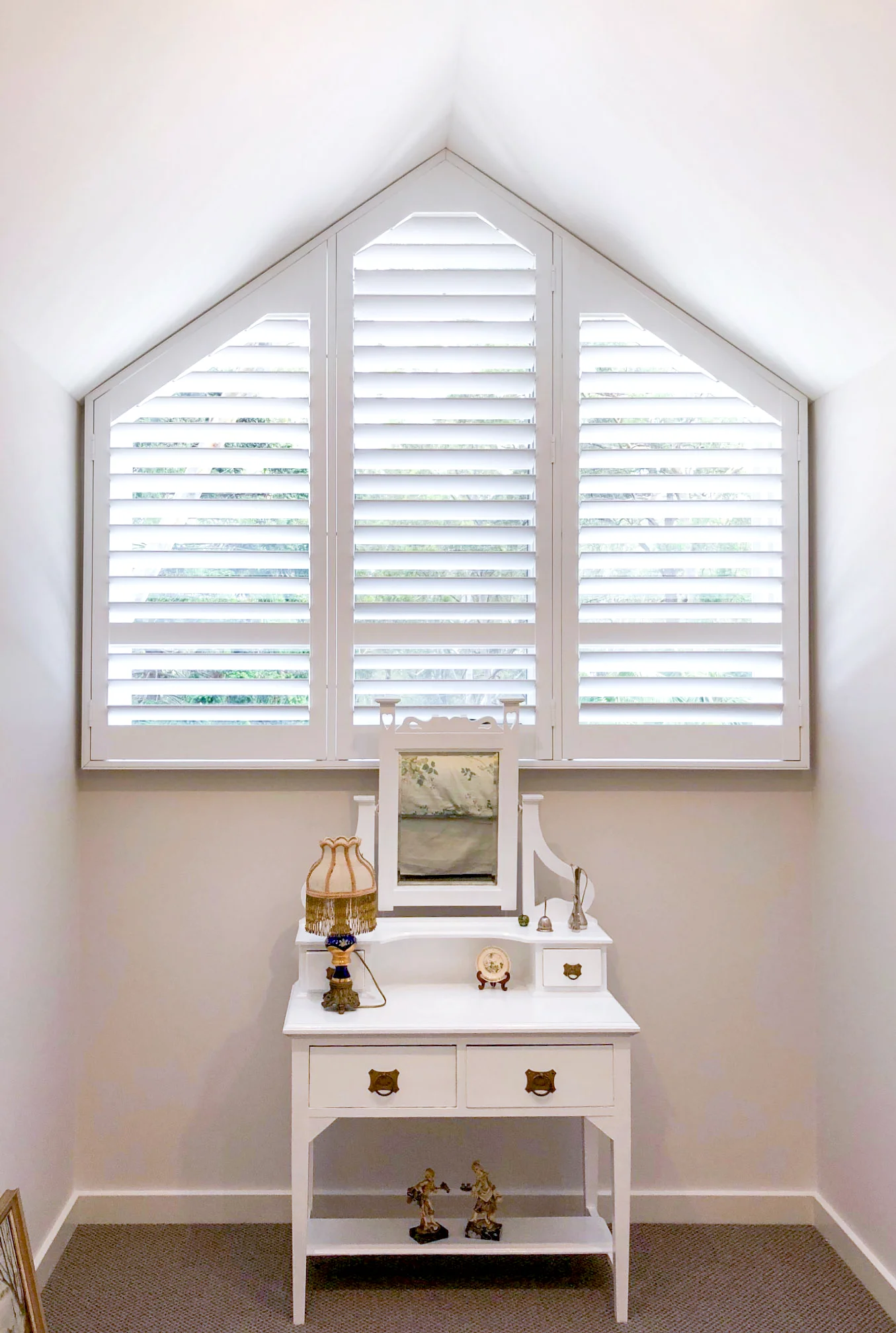
High-set triangular windows are common in homes with cathedral ceilings, A-frame rooflines, and contemporary split-level designs. They’re often left bare or covered with an awkward off-cut blind that never quite fits.

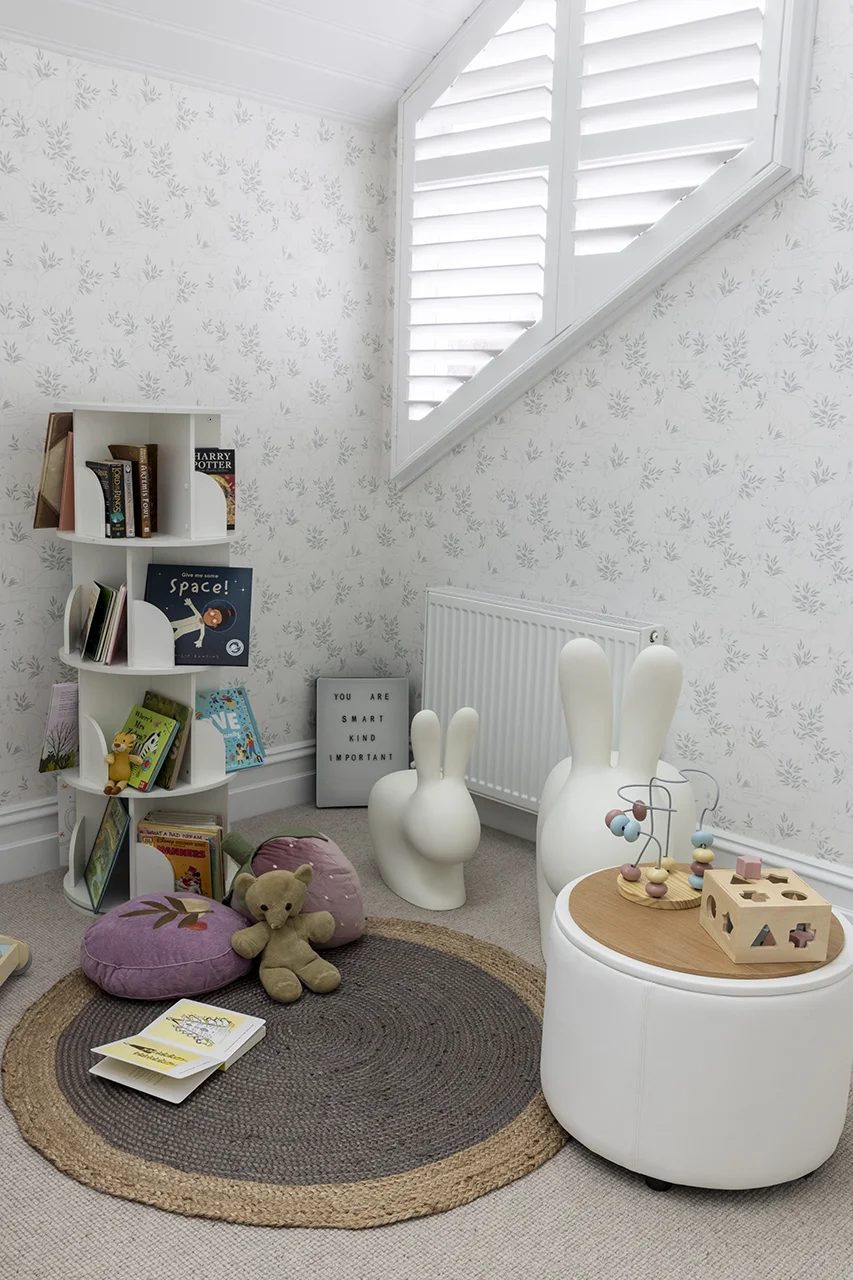
A fixed shutter panel shaped to the exact triangle handles these windows cleanly. Operation isn’t usually practical or necessary, these windows are typically high-set and rarely opened, but a properly fitted fixed shutter gives a finished look and keeps the aesthetic consistent with shutters elsewhere in the home.

The same approach applies to other angled openings: parallelograms, trapezoids, and any window where the top and bottom rails aren’t parallel. The frame is manufactured to the exact geometry of the opening. What looks like a problem window becomes a straightforward shutter job.

Circular and porthole windows

Less common than arched or triangular windows, but fully achievable. A circular shutter uses a round frame with horizontal blades running across the full diameter. The blades are fixed, operation isn’t practical in a circular frame, but the finish is clean, considered, and consistent with shutters on the rest of the windows in the room.

Wynstan product expert Kathy Wang notes that circular windows are one of the situations where a shutter genuinely outperforms every other option, a circular blind doesn’t exist, a circular curtain doesn’t either, and a bare circular window in a shuttered room always looks unfinished.

Bay windows

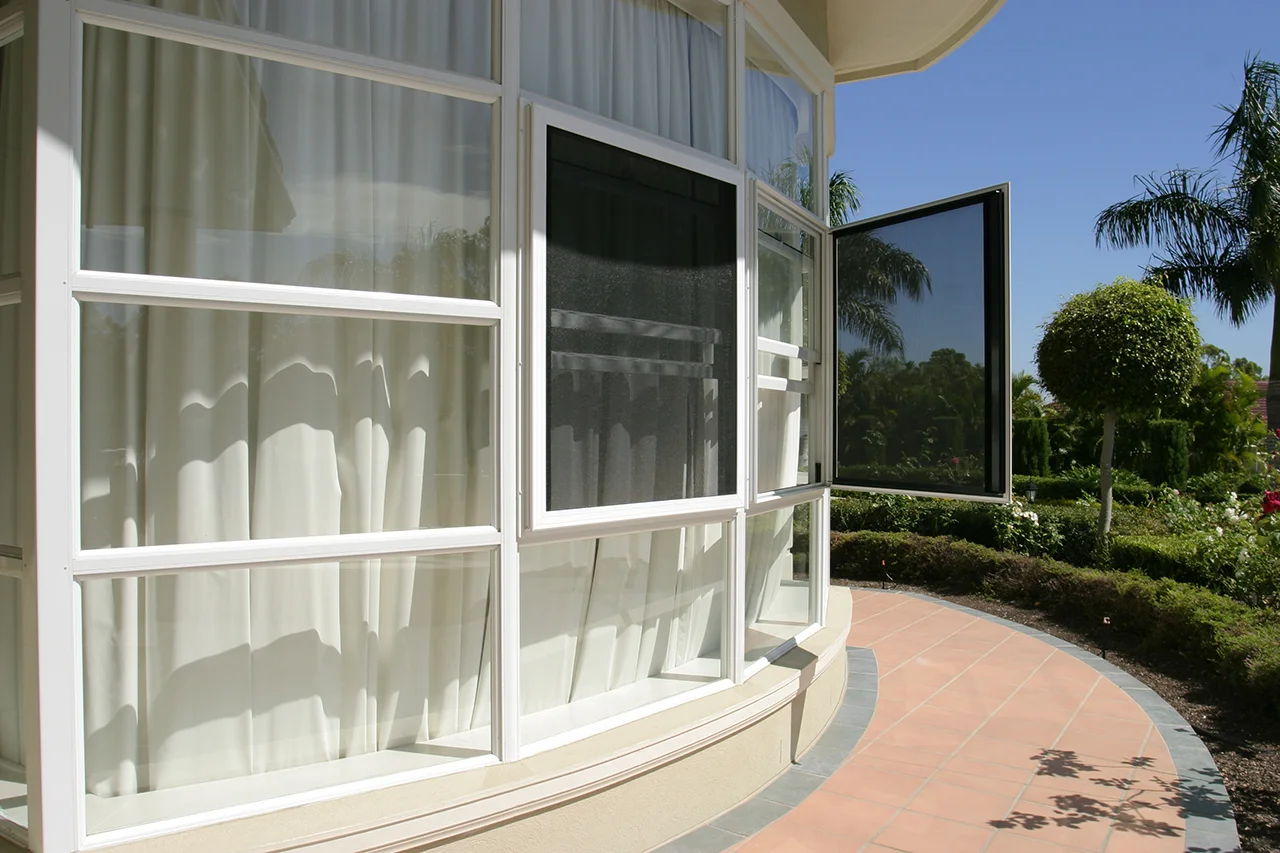
Bay windows are more complex than shaped windows, the challenge isn’t the shape, it’s the corner return where two panels meet at an angle.

Shutters handle bay windows well, but the configuration has to be worked out in person. Standard bay angles are typically 45° or 135°, but this isn’t universal, and the corner configuration affects how the panels fold, how they clear the opening when operated, and how they look from inside and outside.

Bi-fold shutters are the most common solution for bays. The panels fold back accordion-style against the angled side walls of the bay, clearing the full opening when needed. Configured correctly, a bi-fold shutter across a bay window opens completely and closes completely, with the corner handled neatly by the panel configuration rather than a visible gap.

This is one of the clearest cases where a professional in-home measurement is essential. The bay angle has to be physically assessed, it can’t be accurately determined from a photo or a floor plan. Getting the corner configuration wrong on a custom-made panel means the shutter won’t fold or close properly, and it can’t simply be adjusted after the fact.

Skylights

Skylights are a genuine Wynstan strength and one of the most under-served window situations in the market. A shutter fitted to a skylight controls light from above, particularly useful in bedrooms where a skylight causes early morning brightness, or in living areas where overhead sun creates heat and glare through the middle of the day.

The shutter sits within the skylight frame and can be operated via a telescopic rod for hard-to-reach installations. For skylights in locations where daily operation isn’t practical, a fixed panel is also an option, it provides consistent light filtering without requiring any adjustment.

Kathy Wang notes that skylights are one of the window situations most people don’t think of when they’re considering shutters, and one of the applications where shutters perform better than almost any alternative.

Large door openings, bi-fold and sliding configurations

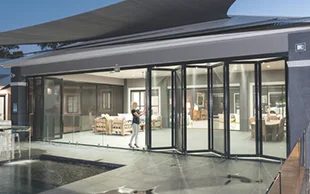
For large openings, bi-fold doors, wide sliding doors, or room dividers, a standard hinged shutter panel isn’t the right configuration. Wynstan offers two alternatives.

Bi-fold shutters fold back accordion-style, multiple panels stacking neatly against the wall when open and covering the full opening when closed. They’re available up to 550mm per panel in Fauxwood and 700mm per panel in Hardwood or Basswood, panels are combined across the width of the opening to cover whatever span is needed.

Sliding shutters run along a track, sliding panels across the opening rather than folding. They suit very large spans, a sliding combo configuration can cover up to 1,300mm in Fauxwood or 1,850mm in Hardwood or Basswood as a single combined unit. They’re also a strong choice where fold clearance is limited, a bi-fold panel needs room to stack back, a sliding panel doesn’t.

Both configurations are available across all Wynstan shutter materials. For more on choosing the right material for your opening, read our plantation shutter materials guide.

Split tilt, the privacy solution for street-facing windows

This isn’t a shaped window situation, but it belongs in any article about tricky openings. A split tilt shutter has independently operated upper and lower blade sections, a mid rail divides the panel into two halves, each tilting separately.

On a street-facing ground-floor window, this is one of the most practical window covering setups available. Tilt the lower blades closed for privacy at street level. Leave the upper blades open for light and sky. The room stays bright and the street can’t see in. No other window covering does this as cleanly or as simply.

Why professional measurement matters more for complex openings

For a standard rectangular window, a minor measuring error might mean a small gap at the edge. For a shaped window, a bay corner return, or a skylight frame, the tolerance is much tighter. The frame has to be exactly right, because the shutter is manufactured to that frame and there’s no adjustment after the fact.

This is why the check measure visit matters particularly for shaped and complex openings. The technician assesses the exact geometry of the opening in person, confirms the panel configuration, and the frame is manufactured to those exact specifications. For more on what the check measure involves and why it exists, read our guide to what to expect when you buy plantation shutters.

No opening is too unusual for Wynstan to look at. The right starting point is always a free in-home consultation, the consultant assesses the opening in person and advises on the right configuration before anything is quoted or ordered.

Book your FREE Consultation Today!

    By providing and submitting your details, you agree to Wynstan's Privacy Policy.

    This article was written by Shae Rankine, Marketing Coordinator at Wynstan. Shae works closely with product expert Kathy Wang to make sure every piece of content is accurate, practical, and genuinely useful.

    Share:

    Free Consultation Enquiry

      By providing and submitting your details, you agree to Wynstan’s Privacy Policy.

      Fabric Samples

      Search fabric sample

      1. Explore

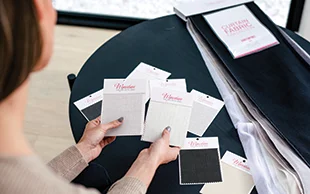
      Browse over 400 fabric sample options for roller binds, panel glides, roman blinds and curtains too.

      fabric samples floating

      2. Shop

      Add five FREE samples to your cart and we’ll ship them straight to your door! You can even add more for a small fee.

      fabric samples floating icons

      3. Book

      Love your choices? Book in a FREE measure and quote to take the next step to transforming your home.

      Fabric Samples

      Magnifying Glass

      1. Explore

      Browse over 400 fabric sample options for roller binds, panel glides, roman blinds and curtains too.

      Fabric

      2. Shop

      Add ten FREE samples to your cart and we’ll ship them straight to your door! You can even add more for a small fee.

      Calendar

      3. Book

      Love your choices? Book in a FREE measure and quote to take the next step to transforming your home.