








Choosing the Right Honeycomb Cell Size: 10mm, 15mm, 20mm or Double Cell

If you’ve been comparing honeycomb blinds and noticed the same-looking fabric described with two completely different numbers, you’re not imagining things, and you’re not alone. Cell size is one of the more confusing parts of choosing a honeycomb blind, simply because it’s measured two different ways depending on who’s describing it. Here’s what the numbers actually mean, and how to use them to pick the right cell size for your window.

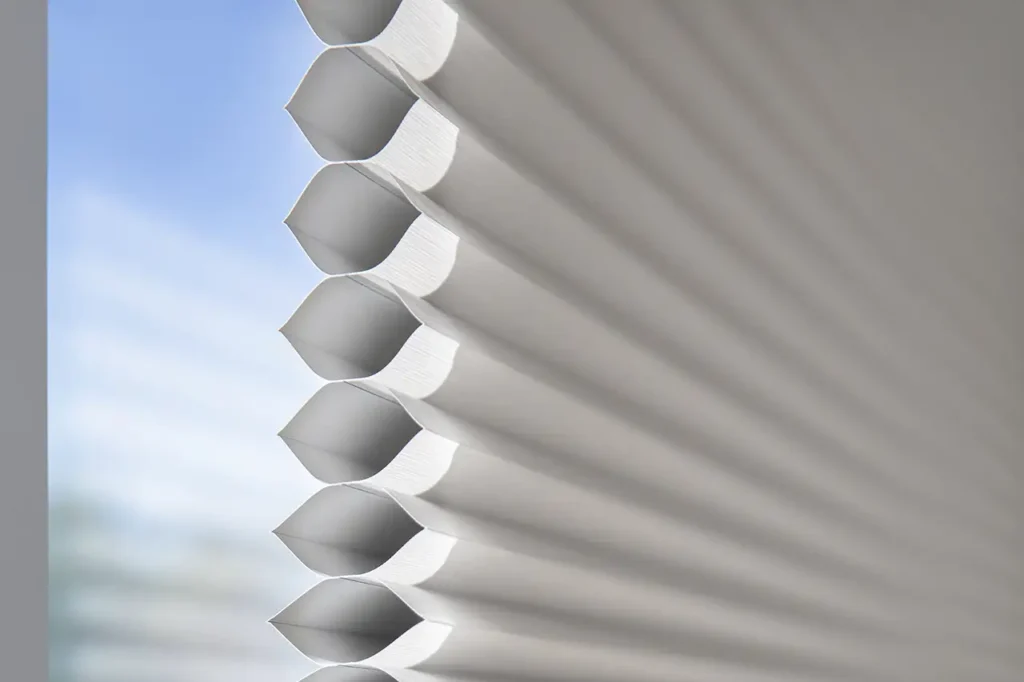
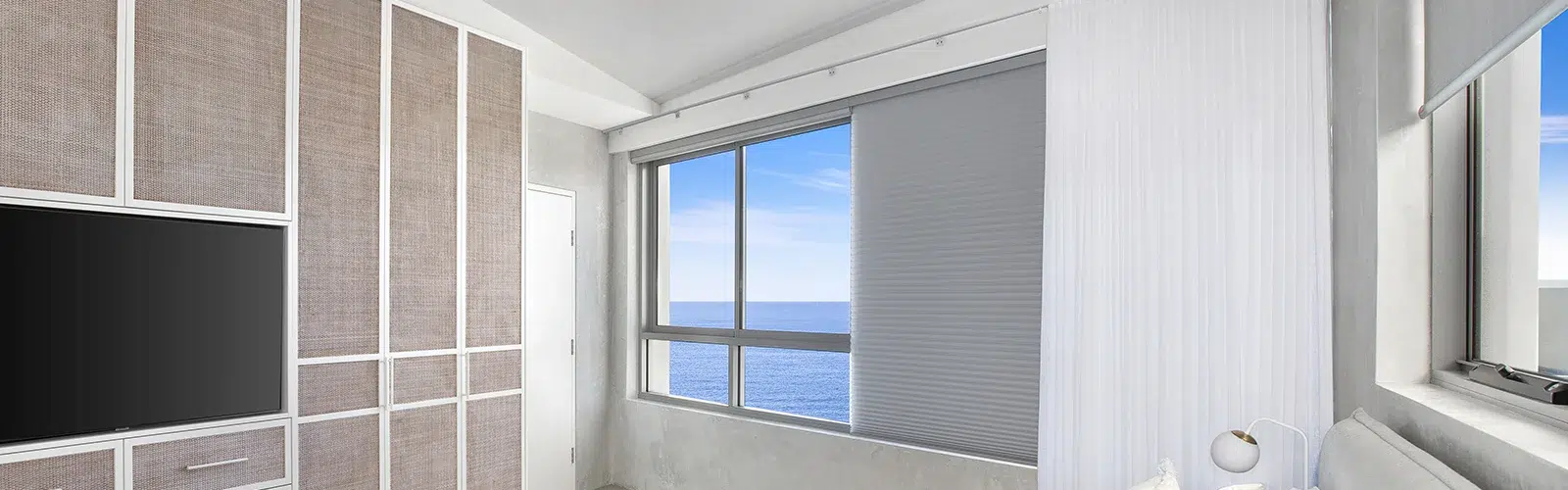
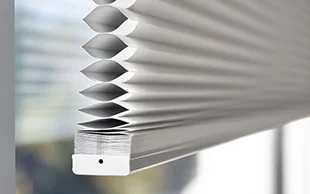
The unique air spacing inside Wynstan Honeycomb Blinds helps with thermal control inside your home.

Why Cell Size Is Quoted Two Different Ways

A honeycomb cell can be measured in two ways, and both are commonly used in Australia, which is exactly why it gets confusing. The smaller number (say, 20mm) is the diameter of the cell measured across the pocket when the blind is hanging open, the way it looks installed. The larger number (say, 45mm) is the same cell measured tip-to-tip when the pleat is squashed completely flat.

So “20mm” and “45mm” can genuinely describe the exact same fabric, one measurement is of the open cell, the other of the flattened pleat. If you’re comparing quotes or product listings, it’s always worth confirming which convention is being used, since the numbers alone can make two identical fabrics look quite different. Seeing a physical sample is the simplest way to know exactly what you’re getting, regardless of which number is quoted.

What Cell Size Actually Affects

Cell size isn’t just a technical spec, it has a real, practical effect on three things:

  • Insulation. A bigger cell holds a bigger pocket of trapped air, and that air pocket is what gives a honeycomb blind its thermal performance. Bigger cell, bigger air barrier, better insulation.
  • Look and texture. Smaller cells give a finer, more subtle texture; larger cells have a more pronounced, chunkier honeycomb pattern.
  • Physical depth. Larger cells need more depth in the window reveal to sit properly. In a shallow reveal, a larger cell simply may not fit.

Smaller Cell, When to Choose It

A smaller cell is the right call when you prefer a finer, less textured look, or when you’re working with a tight reveal that doesn’t have the depth for a larger cell. It’s a great all-round option where insulation is a nice-to-have rather than the deciding factor.

Larger Cell, When to Choose It

A larger cell creates a bigger air pocket, which means better insulation and stronger blockout performance from a single-cell fabric. If energy performance is a genuine priority for a room, a cold bedroom, a west-facing living area, and you’ve got the reveal depth to accommodate it, a larger cell is generally the better choice.

Double Cell (Cell-in-Cell), When to Choose It

Double cell takes the same principle a step further, with a cell nested inside a cell for an even bigger trapped-air barrier. It’s the strongest insulation option available in a honeycomb blind, though it needs more physical depth to install and costs more than a single-cell fabric. It’s a particularly good fit for a room where insulation is the top priority, we’ve covered how a bigger cell improves insulation in more detail, and it’s also a strong option for choosing a honeycomb blind for a nursery, where a stable, quiet room matters most.

A Quick Way to Decide

If you’re not sure where to land, work through it in this order:

  1. Check your reveal depth. This determines what physically fits, no point deciding on a look or performance level a window can’t accommodate.
  2. Consider your look preference. Finer texture vs a more pronounced honeycomb pattern.
  3. Weigh up insulation priority. If the room is genuinely cold, hot, or noise-sensitive, lean toward the larger cell or double cell within what your reveal allows.

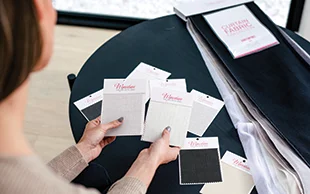
Photos and product descriptions only go so far here, texture and depth are genuinely easier to judge with a physical sample and an actual reveal measurement in hand.

The best way to see the difference is in person or browse our full range of honeycomb blinds.

Book your FREE Consultation Today!

    By providing and submitting your details, you agree to Wynstan's Privacy Policy.

    Frequently Asked Questions

    What does 20mm honeycomb mean? 

    It typically refers to the cell diameter when the blind is hanging open, as opposed to the tip-to-tip measurement of the same cell when flattened (often a larger number, like 45mm). Both describe the same fabric, just two different ways of measuring it.

    Is a bigger cell always better? 

    Not necessarily. A bigger cell generally means better insulation, but it also needs more physical depth in the reveal and has a more pronounced texture. The right size depends on your reveal depth, your look preference, and how much insulation performance matters for that room.

    What’s the difference between double cell and single cell? 

    Double cell nests a cell inside a cell, creating a bigger trapped-air barrier than a single cell fabric of the same outer size. It offers the strongest insulation available in a honeycomb blind, but requires more reveal depth and costs more than a single-cell option.

    This article was written by Shae Rankine, Marketing Coordinator at Wynstan. Shae works closely with product expert Kathy Wang to make sure every piece of content is accurate, practical, and genuinely useful.

    Share:

    Free Consultation Enquiry

      By providing and submitting your details, you agree to Wynstan’s Privacy Policy.

      Fabric Samples

      Search fabric sample

      1. Explore

      Browse over 400 fabric sample options for roller binds, panel glides, roman blinds and curtains too.

      fabric samples floating

      2. Shop

      Add five FREE samples to your cart and we’ll ship them straight to your door! You can even add more for a small fee.

      fabric samples floating icons

      3. Book

      Love your choices? Book in a FREE measure and quote to take the next step to transforming your home.

      Fabric Samples

      Magnifying Glass

      1. Explore

      Browse over 400 fabric sample options for roller binds, panel glides, roman blinds and curtains too.

      Fabric

      2. Shop

      Add ten FREE samples to your cart and we’ll ship them straight to your door! You can even add more for a small fee.

      Calendar

      3. Book

      Love your choices? Book in a FREE measure and quote to take the next step to transforming your home.