
















How Honeycomb Blinds Keep Your Home Warm in Winter & Cool in Summer

Honeycomb Blinds

If you’ve ever stood near a window in July and felt the cold radiating off the glass, or sat in a west-facing living room in February wondering why the aircon can’t keep up, the window covering you’ve got is doing less work than you’d think. A flat fabric blind or curtain can soften light and offer privacy, but it doesn’t do much to stop heat moving through the glass. Honeycomb blinds are built specifically to change that, and the reason comes down to a simple piece of physics: trapped air.

What Makes a Honeycomb Blind Different

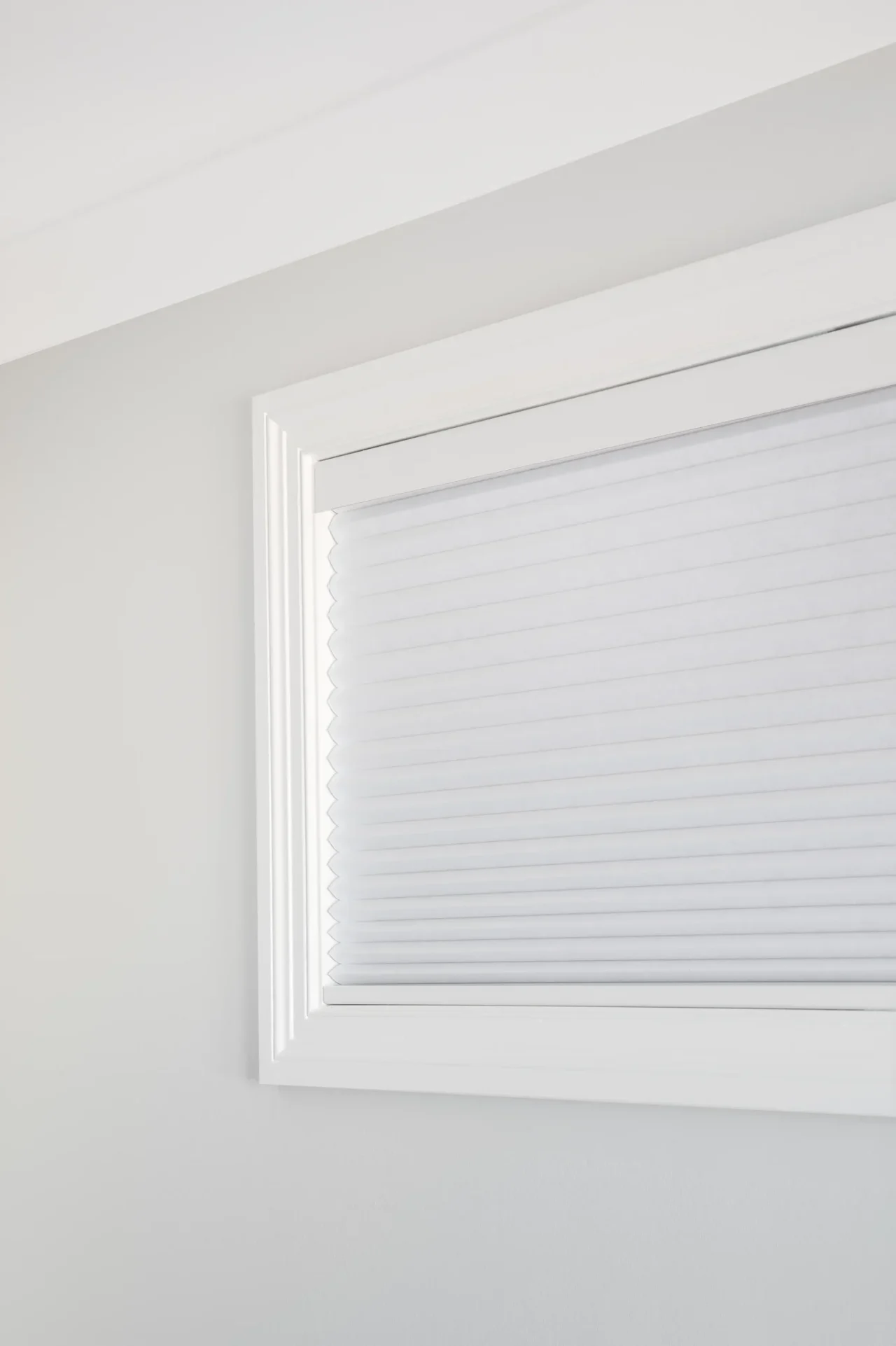
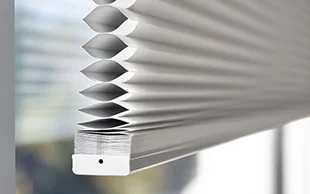
Most blinds are a single flat piece of fabric. A honeycomb blind (sometimes called a cellular shade) is different, the fabric is shaped into rows of hexagonal cells, a bit like a honeycomb, when you look at it side-on. That cell shape is the whole point. Each cell holds a small pocket of air, and that pocket is what gives honeycomb blinds a genuine thermal advantage over flat fabrics.

There’s a second, quieter benefit too: honeycomb blinds sit closer to the window than most other blind styles, with side gaps as tight as 3mm compared to 10–15mm on many standard blinds. Less gap means less air movement past the edges, which matters just as much as the fabric itself when it comes to keeping conditioned air where you want it.

The Double-Glazed Window Effect

The easiest way to picture how a honeycomb blind insulates is to think about double glazing. A double-glazed window doesn’t work by using thicker glass, it works because there’s a sealed layer of air between two panes, and air is a poor conductor of heat. That air gap becomes a barrier that slows heat transfer through the window.

A honeycomb blind does the same job with fabric instead of glass. Each cell traps a layer of air between the room and the window, and that trapped air resists heat moving through it. On a cold morning, it helps keep the warmth you’ve paid to generate inside the room. On a hot afternoon, it helps keep the heat building up outside from radiating straight through your window. It’s the same underlying principle as the cavity between brickwork and an internal wall, a gap of trapped air, doing quiet, constant work.

Cell Size and Fabric Matter

Not all honeycomb blinds insulate to the same degree. As a general rule, the bigger the cell, the bigger the air pocket, and the better the thermal performance. Wynstan’s honeycomb range comes in a choice of cell sizes, plus a Double Cell option, two layers of cells rather than one, for rooms where insulation is the top priority, such as bedrooms or spaces with high heating and cooling costs.

Fabric opacity plays a role too. Blockout fabric with an internal foil layer holds temperature noticeably better than a sheer or translucent fabric, because the foil helps keep the trapped air where it’s meant to be rather than letting it migrate through the weave. If energy performance is your main driver, a blockout fabric in a larger cell size is generally the strongest combination.

We’ll cover the full detail on choosing between cell sizes in our honeycomb blind cell size guide, worth a look if you’re trying to decide between 10mm, 15mm, 20mm or Double Cell for a specific room.

Keeping Warm in Winter

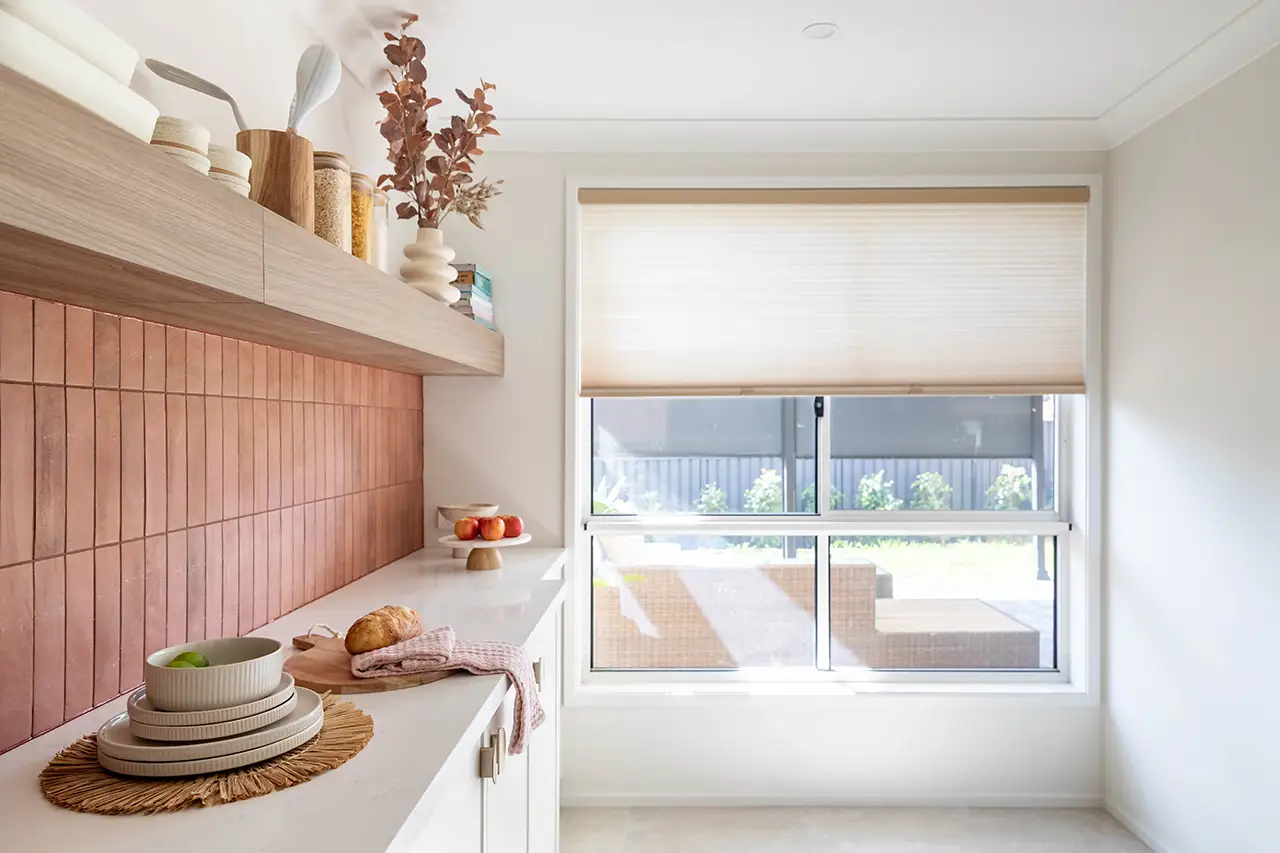
For homes that genuinely struggle through a cold winter, older weatherboard cottages, homes with large single-glazed windows, or anywhere draughts are a real, felt problem rather than a minor annoyance, honeycomb blinds are one of the more effective non-structural changes you can make to a room. The trapped-air cell reduces the amount of warmth escaping through the glass overnight, and the tight side gaps cut down on the draughts that sneak in around a standard blind’s edges. It won’t replace proper insulation or double glazing, but it meaningfully reduces how hard your heating has to work in the rooms where it’s fitted.

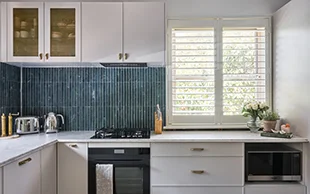
honeycomb blind and sheer curtains in light-filled Sydney kitchen nook with timber cabinetry and round armchair

Staying Cool in Summer

The same principle runs in reverse over summer. West-facing rooms in particular can absorb a lot of heat through the glass in the afternoon, and a honeycomb blind’s trapped-air layer helps slow that heat from radiating into the room. Paired with a blockout fabric, it also keeps the room genuinely dark for sleeping through summer, useful in bedrooms where both temperature and light control matter.

Book your FREE Consultation Today!

    By providing and submitting your details, you agree to Wynstan's Privacy Policy.

    Frequently Asked Questions

    Do honeycomb blinds really keep a room warmer? 

    Yes, the honeycomb cell traps a layer of air against the window, working on the same principle as double glazing. It won’t transform a room’s insulation on its own, but it does measurably reduce heat loss through the window, particularly with a larger cell size and blockout fabric.

    What’s the best honeycomb option for insulation? 

    Generally, a larger cell size in a blockout fabric, or a Double Cell blind where the room allows for the extra depth. Reveal-fit installation (inside the window recess) also helps, as it holds the blind closer to the glass and reduces air gaps around the sides.

    Are honeycomb blinds worth it over roller blinds? 

    If insulation is a genuine priority, a cold room, a west-facing window, high heating or cooling bills, honeycomb blinds offer a real thermal advantage that a flat roller blind fabric doesn’t. We’ve put together a full comparison in honeycomb blinds vs roller blinds if you’re weighing up the two.

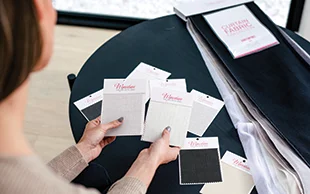
    Ready to see the difference for yourself? Order free fabric samples to feel the fabric and cell structure firsthand, or explore our full range of honeycomb blinds.

    This article was written by Shae Rankine, Marketing Coordinator at Wynstan. Shae works closely with product expert Kathy Wang to make sure every piece of content is accurate, practical, and genuinely useful.

    Share:

    Free Consultation Enquiry

      By providing and submitting your details, you agree to Wynstan’s Privacy Policy.

      Fabric Samples

      Search fabric sample

      1. Explore

      Browse over 400 fabric sample options for roller binds, panel glides, roman blinds and curtains too.

      fabric samples floating

      2. Shop

      Add five FREE samples to your cart and we’ll ship them straight to your door! You can even add more for a small fee.

      fabric samples floating icons

      3. Book

      Love your choices? Book in a FREE measure and quote to take the next step to transforming your home.

      Fabric Samples

      Magnifying Glass

      1. Explore

      Browse over 400 fabric sample options for roller binds, panel glides, roman blinds and curtains too.

      Fabric

      2. Shop

      Add ten FREE samples to your cart and we’ll ship them straight to your door! You can even add more for a small fee.

      Calendar

      3. Book

      Love your choices? Book in a FREE measure and quote to take the next step to transforming your home.