




















Most people don’t think about cleaning their blinds until they really need it. Then they pull the blind down, notice the dust, and wonder how long it’s been looking like that.
The good news is that keeping blinds clean isn’t a big job, as long as you’re using the right method for the right blind. The wrong approach (soaking a fabric blind, using too much moisture on timber slats) can cause more damage than the dust ever would. This guide covers every blind type Wynstan makes, so you know exactly what to do.
Roller blinds
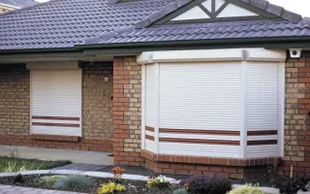
Roller blinds are one of the easier types to maintain. The regular movement of raising and lowering the blind actually helps, it stops dust settling in the way it does on a blind that never gets used.
For general cleaning, a damp cloth or a baby wipe will bring most roller blind fabrics back to looking like new. Wipe the fabric gently from top to bottom while the blind is fully extended. For anything more stubborn, a damp cloth with a small amount of mild detergent does the job.
A couple of things to avoid: don’t soak the fabric, and never roll a wet blind back up. Rolling it up wet traps moisture inside and can cause mould or damage the fabric over time. Let it dry fully extended before raising it.
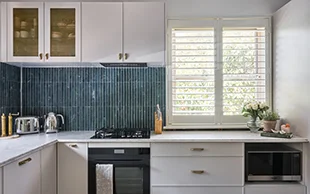
If your roller blind is in the kitchen near a cooktop, grease and cooking residue is the main issue. A smooth, flat fabric wipes back easily. Textured fabrics trap grease in the weave and are harder to get clean, if your kitchen blind has seen better days, this is likely why. A moisture-resistant, smooth fabric is the right replacement choice for that location.
Timber venetian blinds
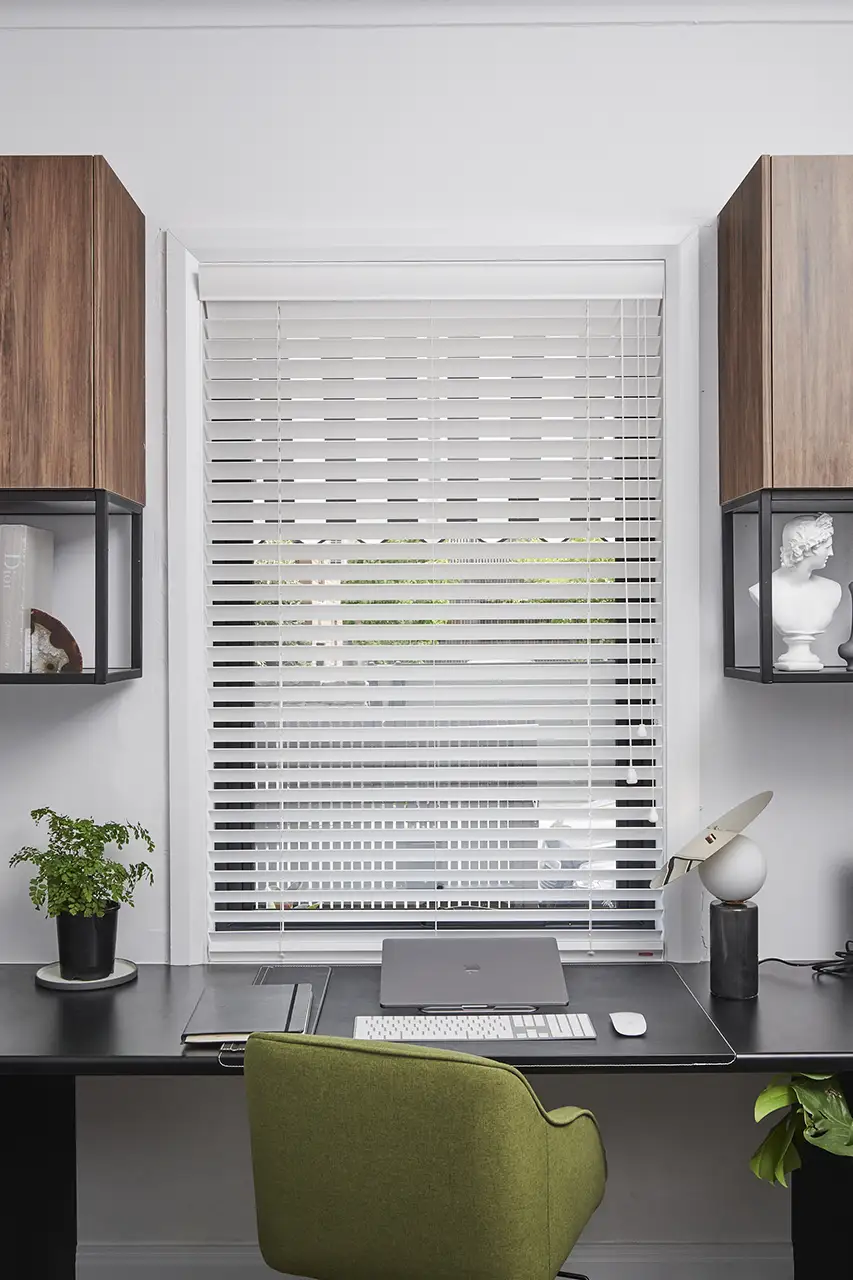
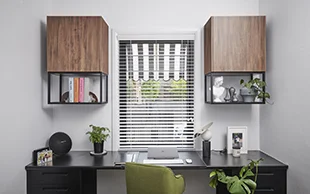
Timber slats and moisture aren’t friends, so the approach here is dry first.
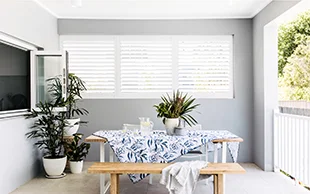
A microfibre cloth or a dedicated blind duster works well, hold the slat steady and wipe along the length of it, not across. Wiping across can bend or twist the slat over time. Work your way from top to bottom, tilting the slats flat to get both sides.
For anything that needs more than a dry wipe, use a barely damp cloth, wrung out well so it’s almost dry, and go lightly. Don’t let water pool on the slat or sit in the ladder tape. Timber that gets too wet can warp or discolour.
Aluminium venetian blinds
Aluminium slats are more moisture-tolerant than timber, which makes them better suited to kitchens and bathrooms where humidity is a factor.
The same technique applies, wipe along the slat, not across, but you can use a damp cloth more freely. A mild detergent solution handles grease and grime well. Rinse with a clean damp cloth and let the blind dry fully before tilting the slats closed.
Honeycomb shades
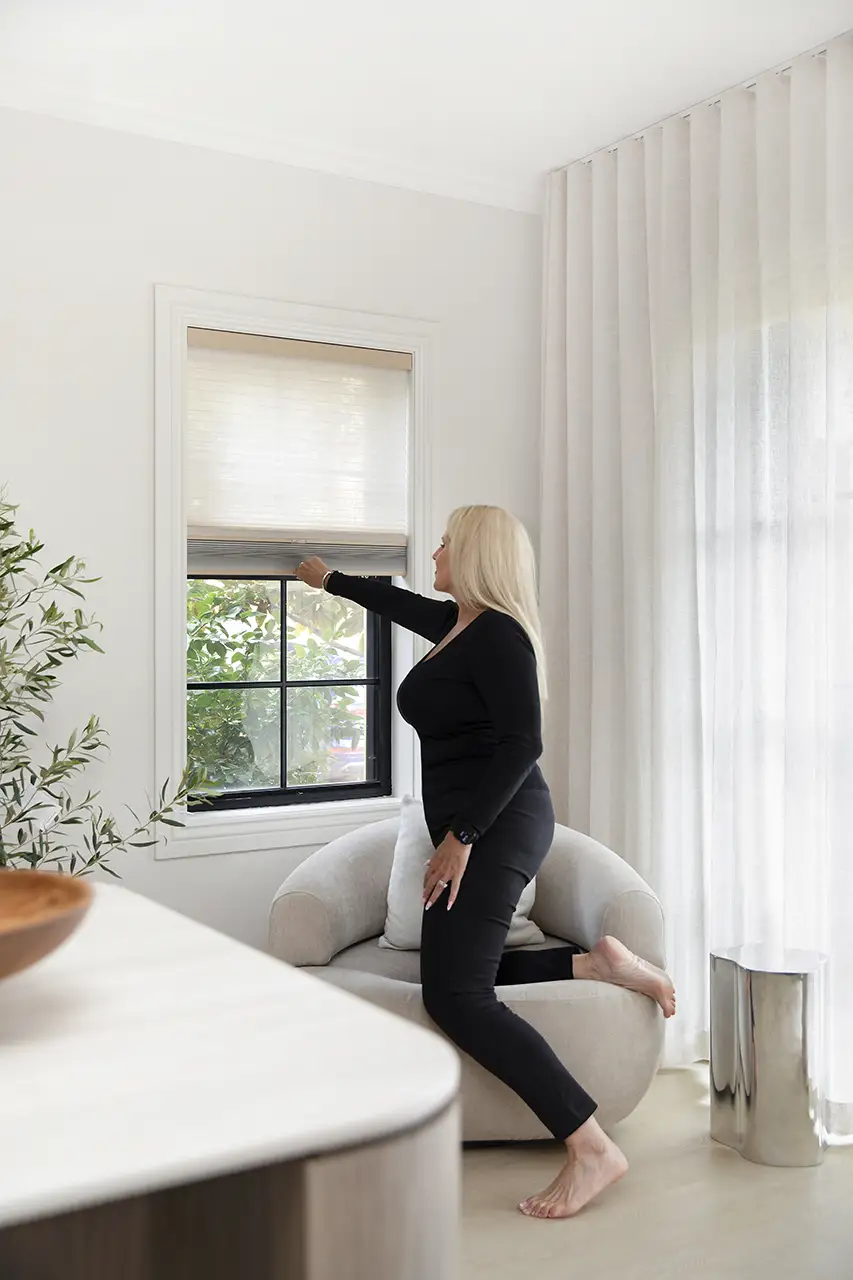
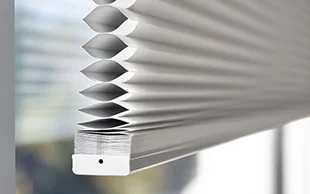
The unique cell structure of a honeycomb shade is great for insulation and light filtering, but it does trap dust. The key is gentle.
Use a vacuum on its lowest suction setting with a soft brush attachment, working carefully across the face of the shade. This lifts surface dust without stressing the fabric or distorting the cells.
For spot cleaning, a lightly damp cloth on the affected area is fine, but don’t saturate the fabric. Honeycomb shades don’t respond well to being soaked, and the cell structure makes it difficult to dry evenly. Avoid rubbing, dab gently and let it air dry fully extended.
Roman Blinds
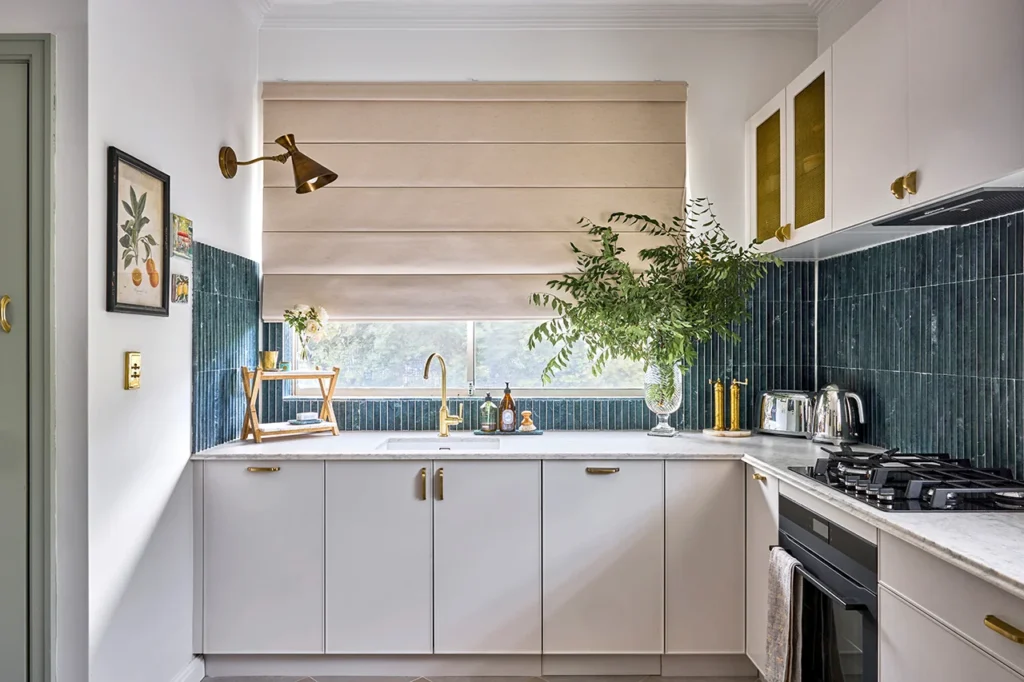
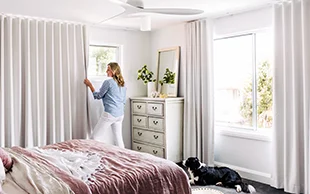
Roman blinds have more fabric in them than a roller blind, when raised, the fabric folds and stacks, which means dust has more places to settle. Regular light cleaning is the best way to stay on top of it.
For routine maintenance, a soft brush attachment on a vacuum set to low suction works well. Run it gently across the face of the blind while it’s fully lowered, working from top to bottom. This lifts surface dust without putting any stress on the fabric or the fold lines.
For marks or spots, a lightly damp cloth with a small amount of mild detergent is the right approach. Dab rather than rub, rubbing can spread the mark or work it deeper into the fabric. Test on a small, inconspicuous area first, particularly with darker or more textured fabrics.
Avoid soaking the fabric. Roman blinds have an internal mechanism of cords and rings that run through the fabric, getting these wet can cause the cords to shrink or the fabric to pucker as it dries. If your Roman blind needs a deeper clean, contact your nearest Wynstan showroom for advice on the right approach for your specific fabric.
The best cleaning strategy starts at measure and quote
Wynstan product expert Kathy Wang makes a point of this during the in-home consultation: the right fabric for the right room is the best cleaning strategy you can have. A smooth, moisture-resistant fabric in a kitchen takes minutes to wipe down. The wrong fabric in the same spot becomes a problem that no amount of cleaning fully fixes.
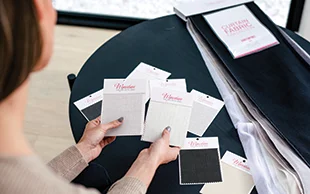
If you’re replacing blinds that have become too hard to keep clean, it’s worth having that conversation at the measure and quote stage, before the new ones go in, not after. And if you’d like to explore what’s available beforehand, you can browse our blind fabric samples online at your own pace.
Book your FREE Consultation Today!
This article was written by Shae Rankine, Marketing Coordinator at Wynstan. Shae works closely with product expert Kathy Wang to make sure every piece of content is accurate, practical, and genuinely useful.