




















The Four Questions to Ask Before You Buy Plantation Shutters

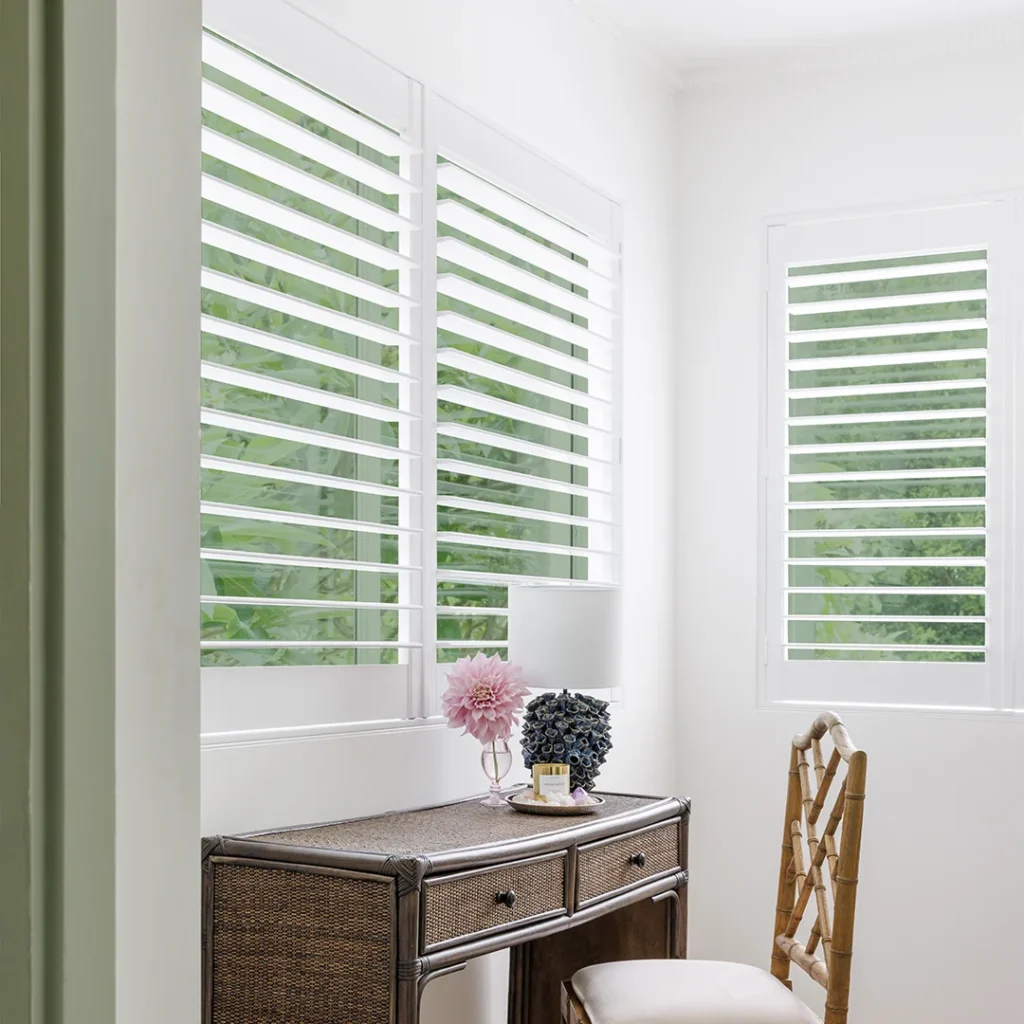
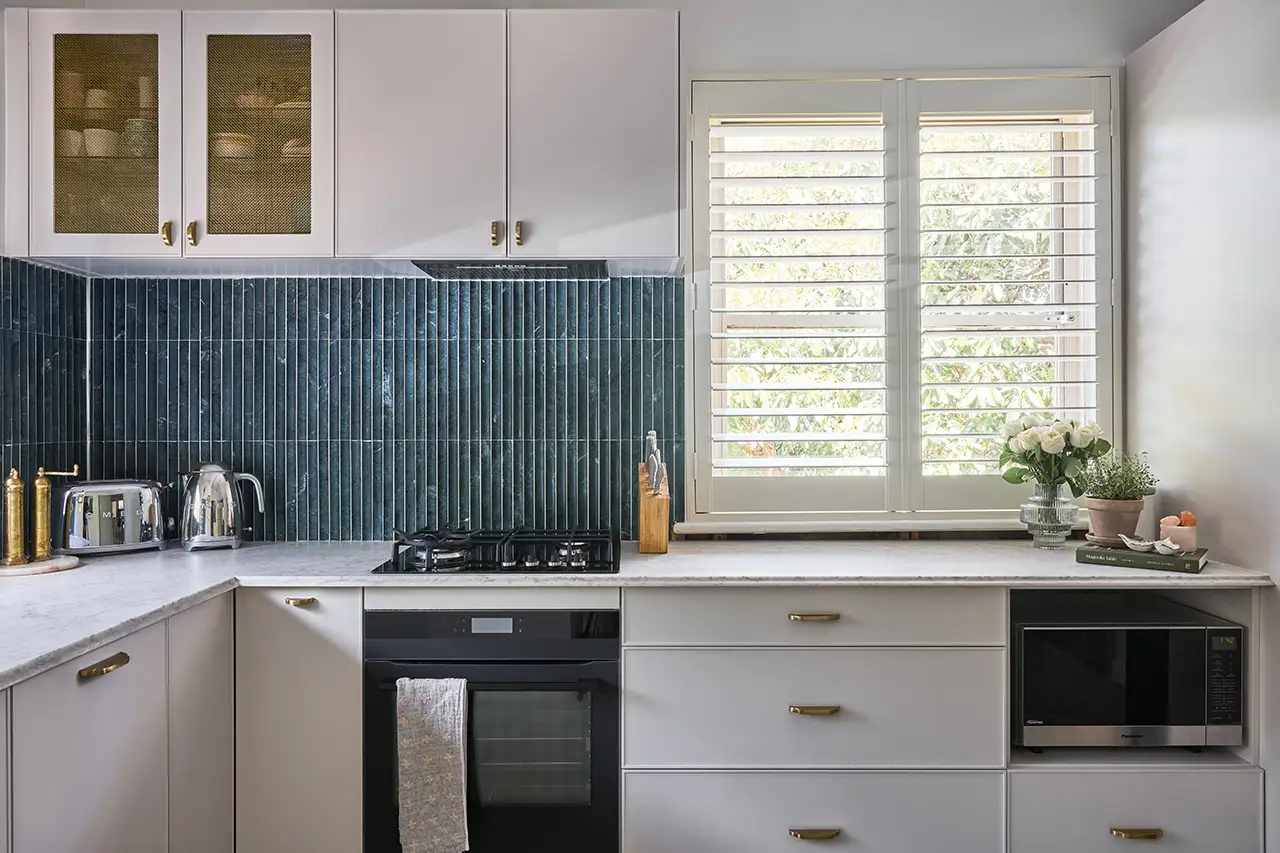
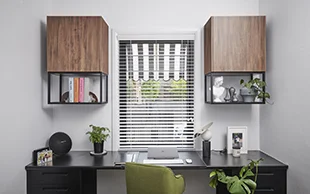
Emma Bloomfields study space adorned with gorgeous Plantation Shutters.

Plantation shutters are a long-term purchase. A well-made shutter should last fifteen years or more, two to three times the lifespan of a roller blind or Roman blind. That’s a significant commitment, and it means the decision you make at the front end matters for a long time afterwards.

The problem is that at point of sale, a cheap shutter and a quality shutter look almost identical. Same white finish. Same blade profile. Same general shape. The differences only become visible over years, in how the paint holds, whether the joints crack, whether the blades stay straight, and whether the whole thing still opens and closes cleanly a decade after installation.

These four questions change that. They’re what a well-informed customer should ask any shutter supplier, including Wynstan. We’re comfortable publishing them because the answers work in our favour. Here’s what to ask and what to listen for.

Question 1: Is it post-painted or pre-painted?

This is the single most important quality question you can ask.

A quality shutter is assembled first and then painted as a complete unit. Every joint is sealed in the painting process, the finish runs continuously across the whole panel, and there are no exposed edges, raw timber, or cut plastic surfaces visible anywhere. The result is a smooth, seamless finish that looks clean and holds up over time.

Cheaper shutters are painted before assembly, or cut after painting, which leaves exposed joints where panels meet, visible raw edges at cut points, and a rougher overall finish that starts looking tired faster than it should.

The test you can do yourself: run a finger slowly along the joints where the rails meet the stiles, the horizontal sections meeting the vertical sides of the panel. A post-painted shutter feels seamless. A pre-painted one has a detectable line or ridge, and sometimes a visible colour difference where the raw material is exposed.

Wynstan product expert Kathy Wang puts it simply: post-paint is a more involved process, and it shows in the result. It’s one of the clearest separators between a shutter built to last and one built to a price.

Question 2: Was it finished in a water-based spray booth, and how often is the booth water changed?

The paint matters. So does how it’s applied.

A quality shutter finish requires a water-based spray booth that captures overspray during the painting process. If overspray isn’t captured, it settles back onto the wet surface, creating a slightly rough, gritty texture on the blade that you can feel when you run a finger along it.

The booth water is what captures that overspray. But here’s the detail most customers never think to ask: the booth water needs to be changed regularly, at least every four weeks, to keep working properly. Factories that reuse the water indefinitely end up with contaminated capture that defeats the purpose. The overspray still settles. The surface still roughens.

The test: run a finger along the face of a blade. It should feel smooth and consistent, like a well-painted wall. If it feels slightly rough or textured, that’s the tell of a finishing process where corners were cut.

Kathy Wang flags this as one of the quality details that’s invisible to most customers at the time of purchase, but becomes apparent over time as the finish wears less gracefully than it should.

Question 3: Are the stile-to-rail joints rabbeted or screwed and filled?

The four corners of each shutter panel, where the top and bottom rails meet the vertical side stiles, are the structural joints that hold everything together. How they’re constructed determines whether the shutter stays square and strong, or starts to show its age.

In a quality shutter, these joints are rabbeted: the two pieces are routed so they physically interlock before being fixed together. It’s a stronger connection, more resistant to movement, and, critically, it doesn’t crack at the paint line over time.

Cheaper shutters are screwed together and the joint is filled with putty or filler. This looks fine when new. Within a few years, the filler shrinks, the joint moves, and the paint cracks along the line. Once the crack appears it’s difficult to fix properly, and it’s one of the most common reasons shutters start to look tired well before their time.

Ask for it by name: rabbet joint. If the supplier you’re talking to doesn’t know what a rabbet joint is, or can’t confirm whether their product uses one, treat that as an answer in itself.

For more on what makes a shutter worth the investment over the long term, read our guide to plantation shutter materials, the construction and material decisions work together in ways that affect longevity across the whole product.

Question 4: Are the blades solid and aluminium-reinforced, or hollow?

This one you can check in under five seconds.

Pinch a blade gently between your thumb and finger and apply light pressure. A quality blade is solid all the way through, it doesn’t flex, compress, or give. A hollow blade flexes noticeably. Some suppliers, particularly those selling PVC shutters at lower price points, use hollow blades to reduce material cost. The blades look identical to solid ones on a sample card. They don’t hold up the same way in a home.

A quality blade also contains an aluminium insert running its full length. The insert serves two purposes: it distributes weight evenly along the blade, and it provides the rigidity that keeps wider blades hanging straight over time. Without it, blades on larger panels bow and cup at the edges, particularly in rooms with temperature variation. Once a blade has bowed, it doesn’t go back.

The solid, aluminium-reinforced blade is also one of the reasons Wynstan shutters are easy to clean and maintain over the long term. For the full cleaning guide, read our how to clean and maintain plantation shutters guide.

Ask us these questions. We like them.

These aren’t traps. They’re the questions anyone buying a long-term product should be asking, and the reason Wynstan is happy to put them in writing is that the answers work in our favour every time.

Post-painted. Water-based spray booth. Rabbet joints. Solid, aluminium-reinforced blades. That’s what goes into Wynstan’s plantation shutters. It’s what’s gone into them for over 57 years. And it’s why customers who’ve had Wynstan shutters for a decade still like them.

Come and see for yourself. A free in-home consultation costs nothing and commits you to nothing, just a Wynstan consultant at your home with samples and straight answers.

Book your FREE Consultation Today!

    By providing and submitting your details, you agree to Wynstan's Privacy Policy.

    This article was written by Shae Rankine, Marketing Coordinator at Wynstan. Shae works closely with product expert Kathy Wang to make sure every piece of content is accurate, practical, and genuinely useful.

    Share:

    Free Consultation Enquiry

      By providing and submitting your details, you agree to Wynstan’s Privacy Policy.

      Fabric Samples

      Search fabric sample

      1. Explore

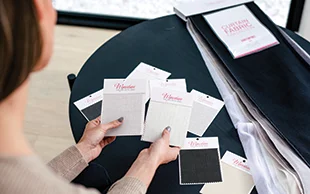
      Browse over 400 fabric sample options for roller binds, panel glides, roman blinds and curtains too.

      fabric samples floating

      2. Shop

      Add five FREE samples to your cart and we’ll ship them straight to your door! You can even add more for a small fee.

      fabric samples floating icons

      3. Book

      Love your choices? Book in a FREE measure and quote to take the next step to transforming your home.

      Fabric Samples

      Magnifying Glass

      1. Explore

      Browse over 400 fabric sample options for roller binds, panel glides, roman blinds and curtains too.

      Fabric

      2. Shop

      Add ten FREE samples to your cart and we’ll ship them straight to your door! You can even add more for a small fee.

      Calendar

      3. Book

      Love your choices? Book in a FREE measure and quote to take the next step to transforming your home.